Percutaneous
Laser Disc Ablation (PLDA)

What is PLDA?

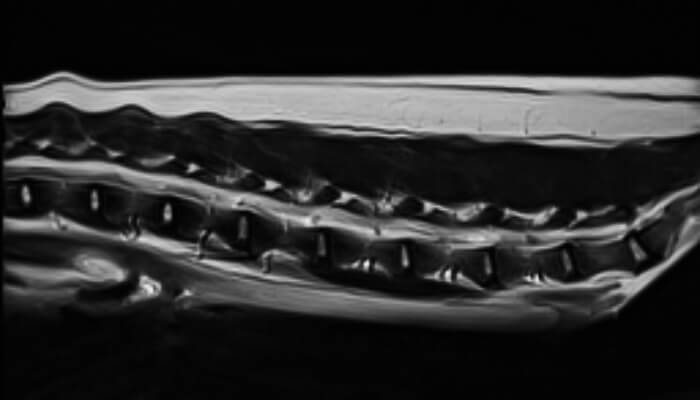
Now available at Bridgetown Veterinary, PLDA is a minimally invasive procedure developed to reduce the risk of future intervertebral disc herniation (IVDH) in dogs.

The procedure works by using a laser to remove the center portion of the intervertebral disc (the nucleus pulposus). By eliminating this material, the treated disc is far less likely to rupture in the future.

PLDA is performed under general anesthesia.

The procedure targets the thoracolumbar spine (T10–11 through L5–6), where disc herniation occurs most commonly in dogs.

Published outcomes show a recurrence rate of less than 4% in disc spaces treated with PLDA, compared to 15–50% in those without PLDA.

What to expect

CONSULTATION:
Physical and neurologic examination, including a discussion of the procedure and treatment plan. The consultation should take place at least two weeks after a skin or back pain examination at Bridgetown or with the primary care veterinarian.

PROCEDURE:
Patient is admitted on the morning of the procedure. Most patients return home the same day.

RECOVERY:
Two weeks of activity restriction before gradually returning to normal activity.

IMPORTANT

If spinal pain returns, a new disc episode occurs, or pain medication becomes necessary at any point between the evaluation and consultation process, candidacy should be reassessed before proceeding with PLDA.

QUESTIONS?

Call the Bridgetown Neuro team to discuss or refer: 503 489-9535

If you are worried that your pet may be suffering from a medical emergency, please call us!

503-489-9535

PLDA Candidates

PLDA may be appropriate for dogs that:

  • Have recovered following medical management of IVDD
  • Have recovered after surgical treatment of IVDD
  • Have increased risk of future thoracolumbar disc herniation
  • Are considered high-risk breeds

Referral Criteria

Patients should:

  • Have recovered from any recent disc herniation
  • Be neurologically stable
  • Be off pain medications and muscle relaxants
  • Have no pain on spinal or cervical palpation
  • Be free of active skin infection